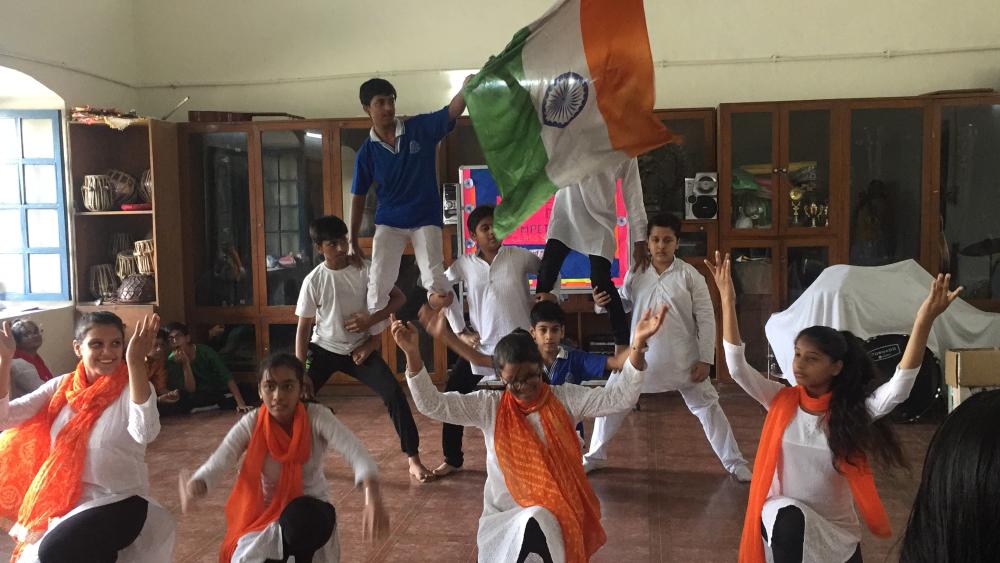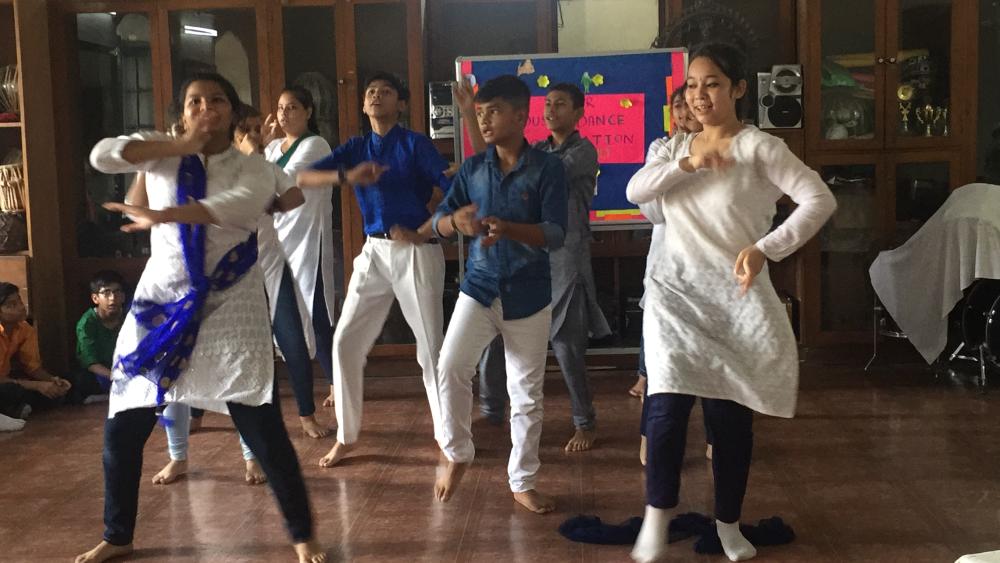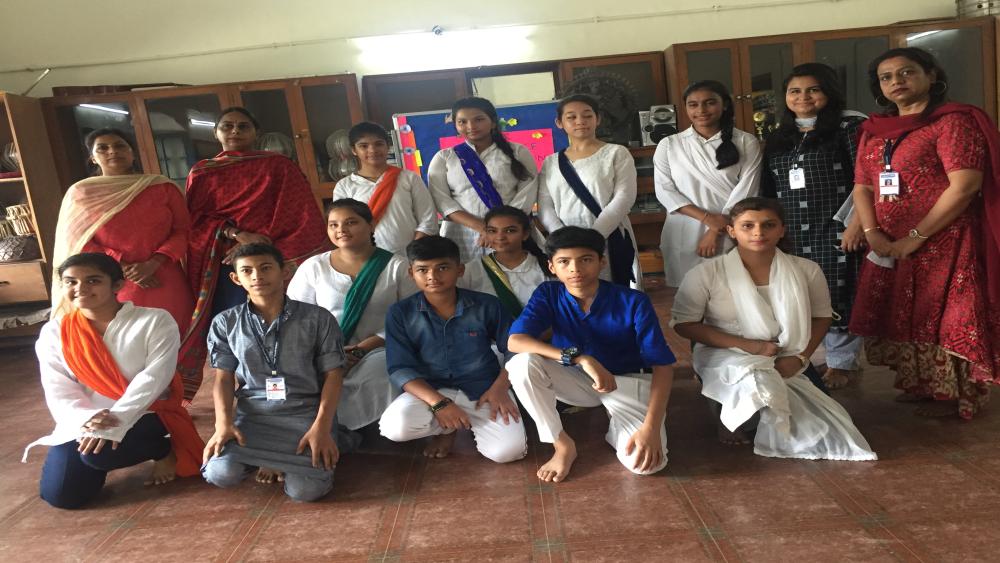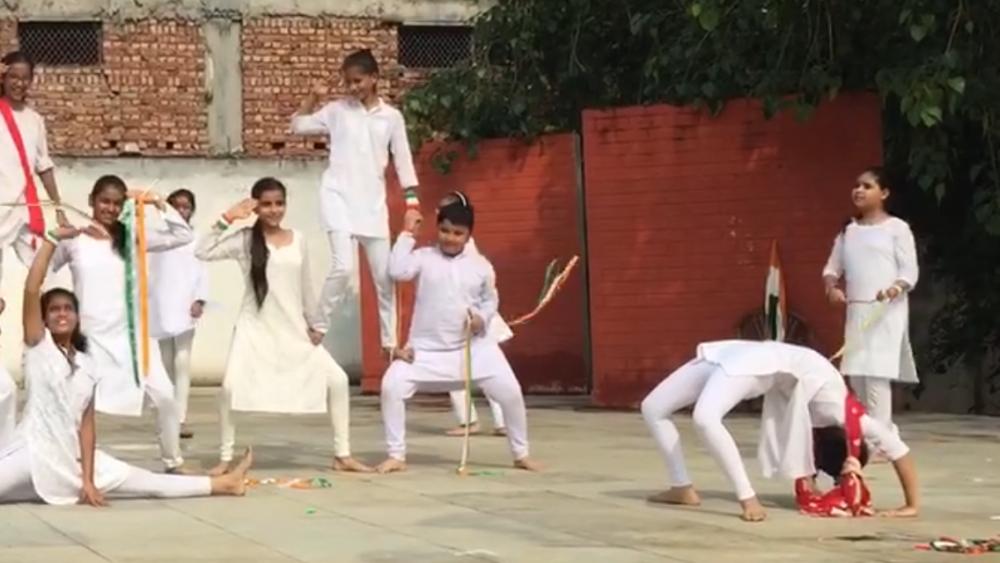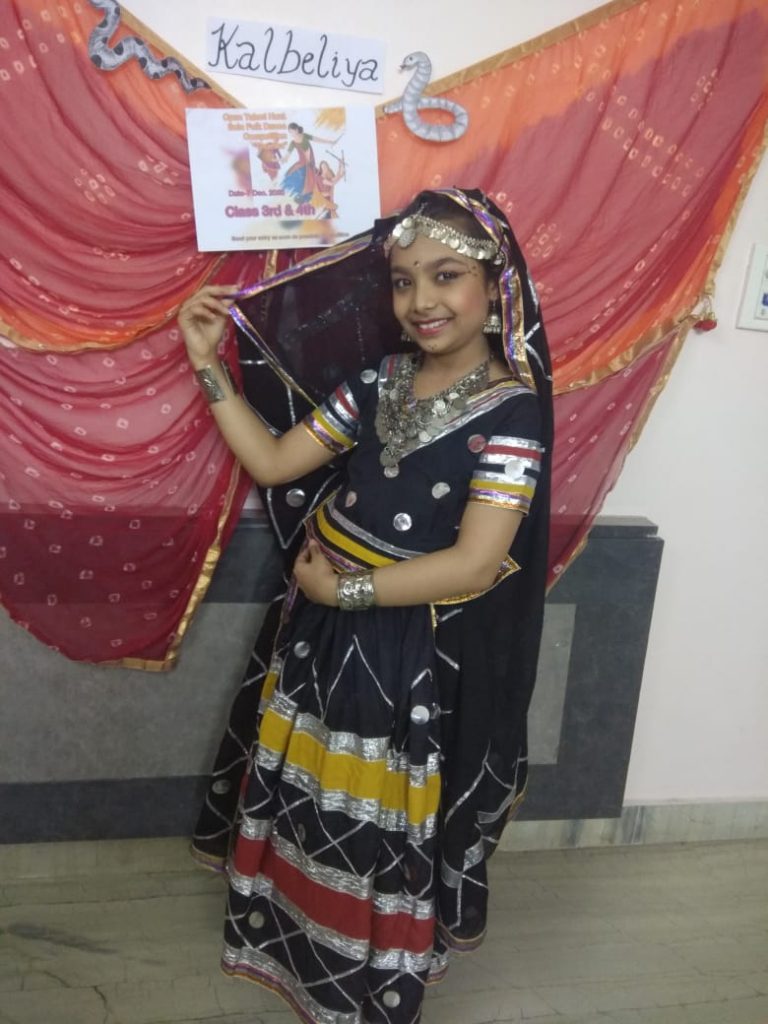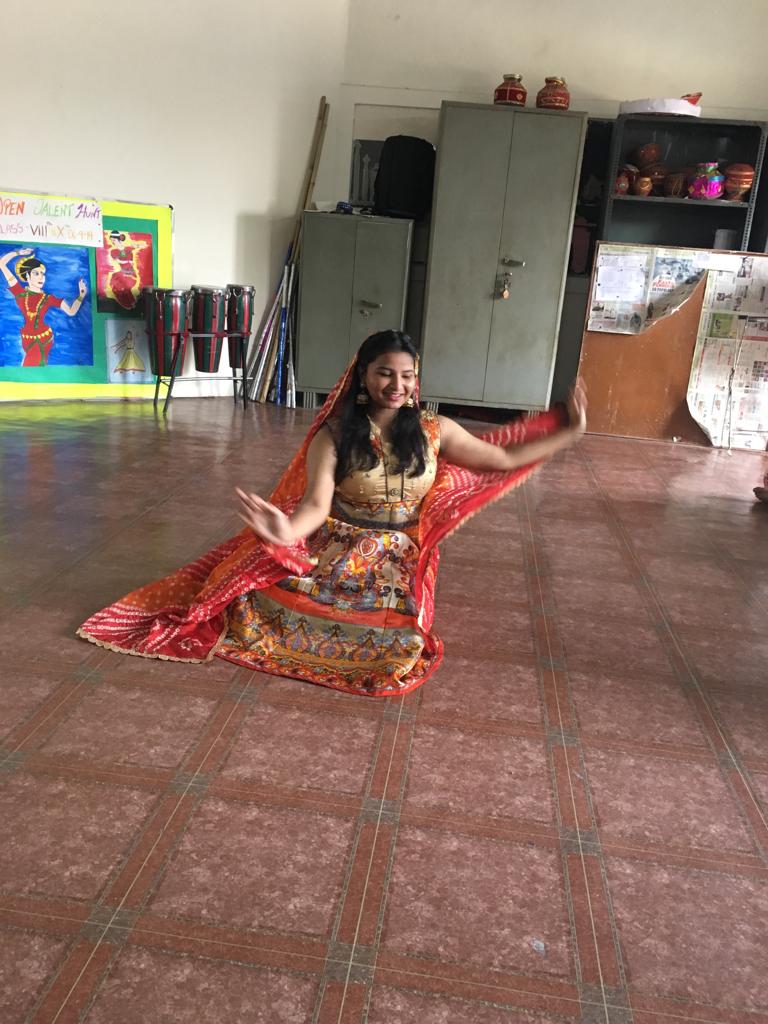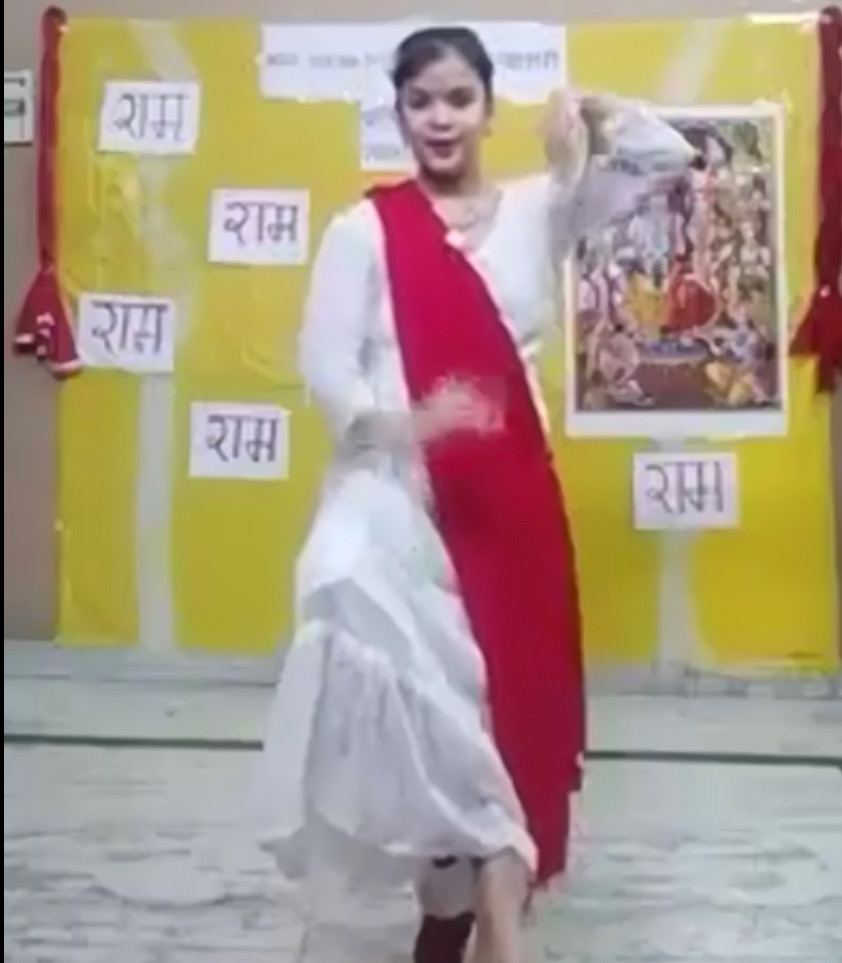
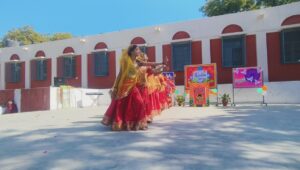
 Dance is a joyful and creative form of physical activity that helps school students express themselves, stay active, and develop coordination. Dance is not just a form of entertainment—it is a powerful medium of learning, expression, and development for students and plays an important role in a child’s physical, emotional, and social growth.
In schools, dance plays a vital role in nurturing creativity, enhancing physical health, and shaping confident and well-rounded personalities.
Dance improves flexibility, balance, strength, and endurance. It keeps children active and healthy.
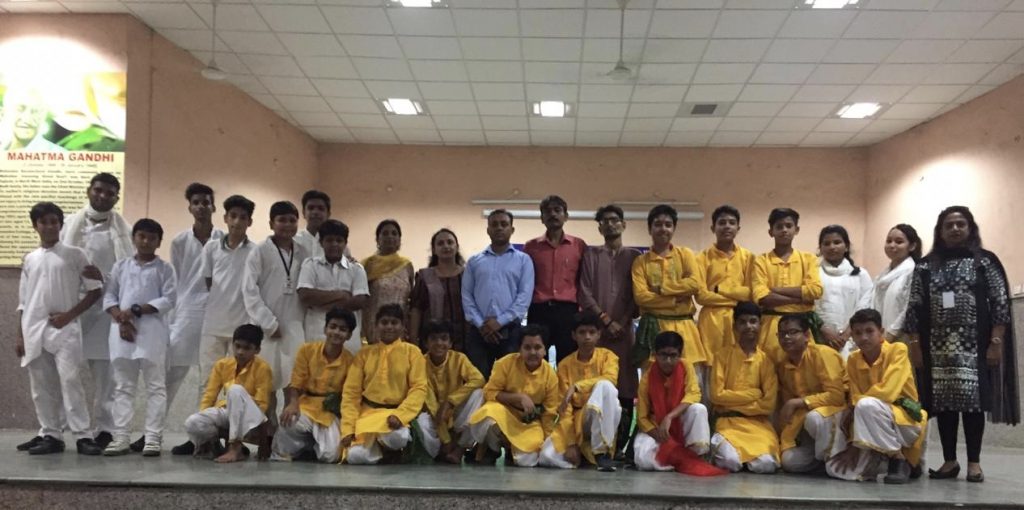
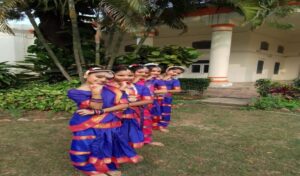 Group performances and rehearsals encourage cooperation, trust, and bonding among students. Learning different dance forms helps students appreciate various cultures and traditions. Performing on stage boosts self-esteem and helps overcome stage fear.
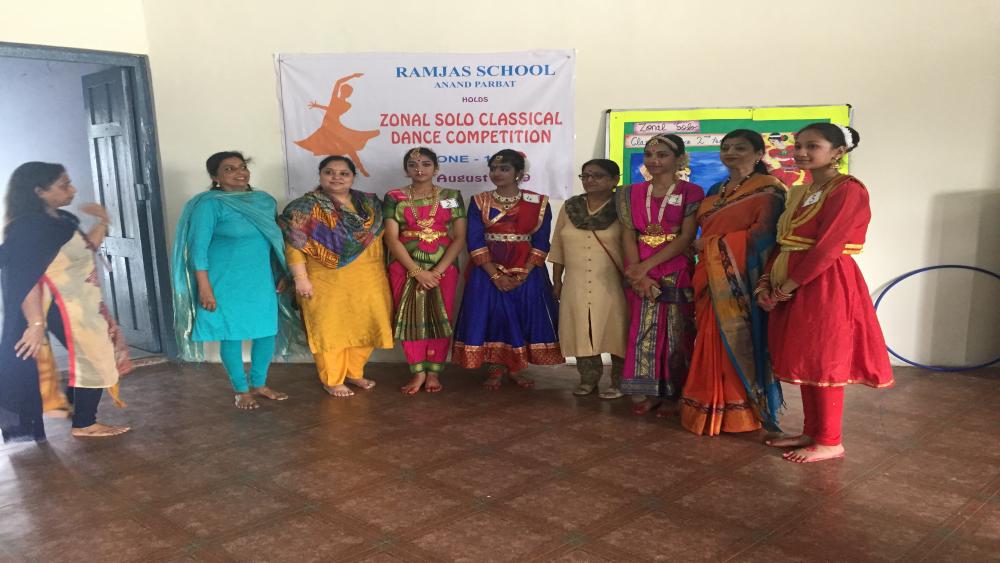
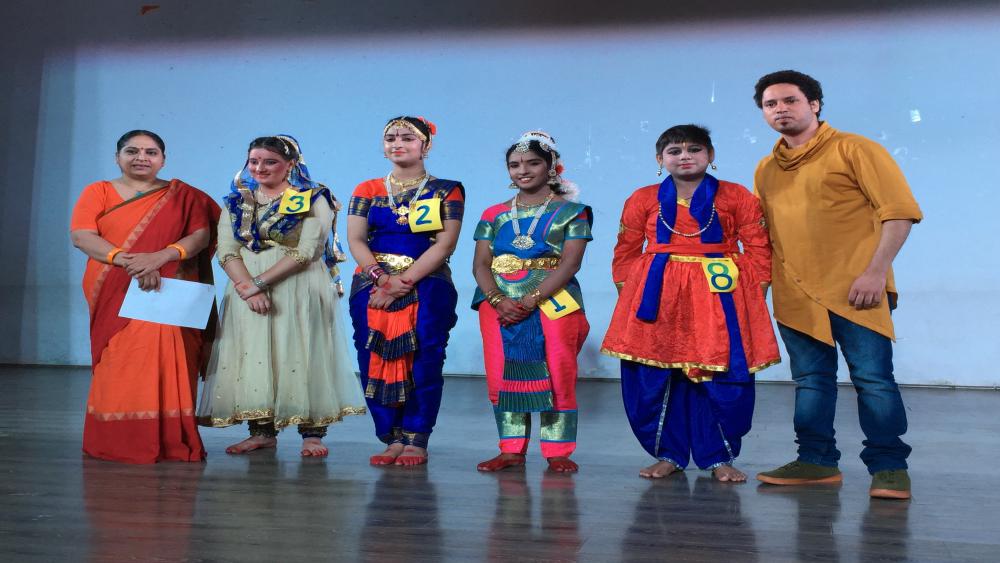
Whether it is classical, folk, contemporary, or freestyle, every form of dance encourages students to move rhythmically and explore their body language in a structured way.
By incorporating dance into school life, students not only enjoy themselves but also grow holistically—physically, emotionally, and socially.
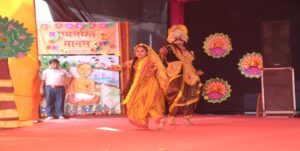 Encouraging dance in schools not only builds a strong cultural foundation but also adds joy to the educational journey.
Schools should continue to encourage dance as a valuable part of co-curricular learning.